
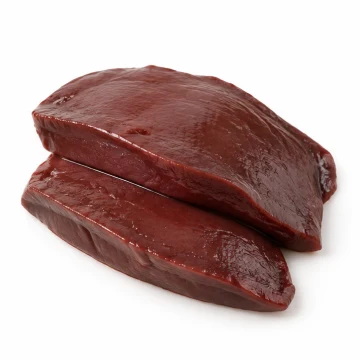
Liver
Nutrients measured in the food
Vitamin A · B12 · Copper
Liver stands out for preformed vitamin A in food references. It also contains B12 and copper.
NIH · Fuerniss et al.Science
The interest begins with food: its place in our kitchens, its vitamin and mineral composition, and how it can fit into life today.
An approach to food that values more of the animal. It connects ORIGIN to familiar culinary traditions, including Portuguese liver dishes such as iscas. The inspiration is in the ingredients; the capsule is a modern format.
The food science
Food research shows that liver, heart and kidney have different vitamin and mineral compositions. Explore examples from raw bovine foods below. These are food references, not ORIGIN nutrient values.
Nutrients measured in the food
Vitamin A · B12 · Copper
Liver stands out for preformed vitamin A in food references. It also contains B12 and copper.
NIH · Fuerniss et al.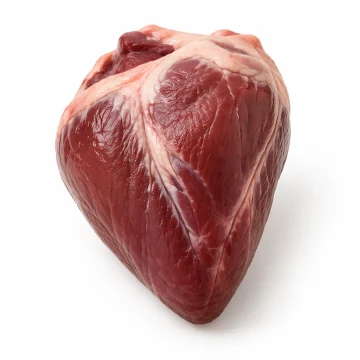
Nutrients measured in the food
Vitamin B2 · B12
A 2024 analysis measured both B2 and B12 in raw beef heart, in different amounts from liver.
Fuerniss et al.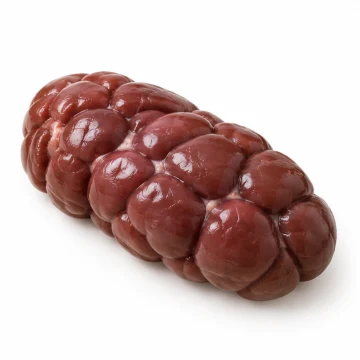
Nutrients measured in the food
Vitamin B2 · B12 · Iron
The same study measured B vitamins and iron in raw beef kidney. Its composition differed from heart and liver.
Fuerniss et al.Selected nutrients from food research. Amounts vary with the sample and preparation. Ingredient illustrations are AI-created.
Vitamin A has a role in normal vision. Liver contains preformed vitamin A, including retinol, while many plant foods provide provitamin A carotenoids.
NIH Office of Dietary SupplementsVitamin B12 is needed for red blood cell formation and DNA synthesis. It occurs naturally in animal foods, including liver, fish, eggs and dairy.
NIH Office of Dietary SupplementsThese are roles of nutrients in the diet. They do not establish that an ORIGIN serving provides a beneficial amount; product-specific nutrient quantities are still to be established.
Why the capsule format
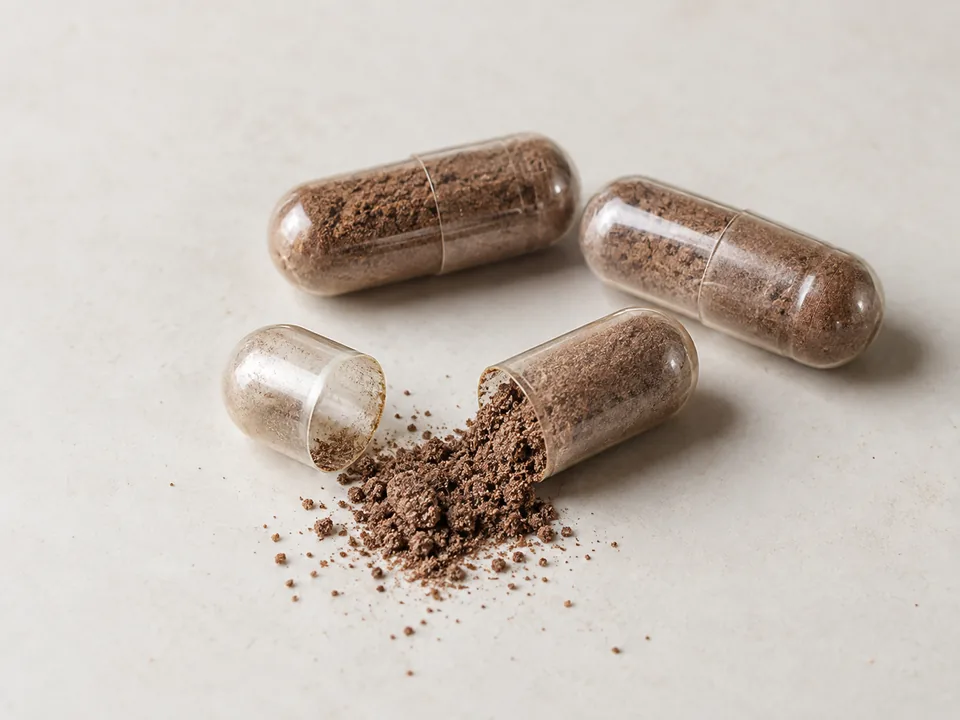
Want organ ingredients without cooking them? Capsules provide a measured portion of organ powder. The food inspiration stays; the preparation changes.
The organ tissue is frozen. Water within it forms ice, preparing it for the next stage.
Under reduced pressure, ice passes directly into water vapour. This change from solid to gas is called sublimation.
The dried organ material is milled into powder. Each ORIGIN capsule contains 500 mg of organ powder, excluding its shell.
Utah State University Extension
MYKORA / ORIGIN
ORIGIN brings together a food tradition, Portuguese provenance and a practical format. Organ Mix combines liver, heart and kidney in equal parts. Liver focuses on one organ. Both begin with organs from pasture-raised cattle in Beira Baixa.
Compare the formulasTradition explains why we chose these foods. Scientific evidence answers a different question. Food-composition studies measure nutrients; they do not show that an ORIGIN capsule produces a particular health outcome.
The formulations are different. ORIGIN is made around organ tissue in powder form. A multivitamin is formulated around specified vitamins and declared amounts. Neither the word natural nor the age of a food tradition establishes that one works better.
Product-specific amounts have not yet been established. A six-capsule serving contains 3 g of organ powder. That weight cannot be converted into a vitamin dose using a food table or a competitor’s label.
Food composition and processing references used on this page. The food research is not a clinical study of ORIGIN.
First release planned for December 2026
Organ Mix and Liver are in preparation. Leave your email and we’ll let you know when orders open.